Southern Utah’s red rock country draws millions every year, and Zion National Park is the crown jewel. The park’s narrow, dramatic canyon funnels most visitors into a single corridor, which has led to a shuttle system that manages traffic, protects trails, and creates a better experience for everyone. A local guide with more than a decade of experience in Zion offers clear, practical guidance on when to use the shuttle, when to skip it, and how to plan a stay that pairs perfectly with nearby vacation rental bases.
Why Zion Uses a Shuttle System
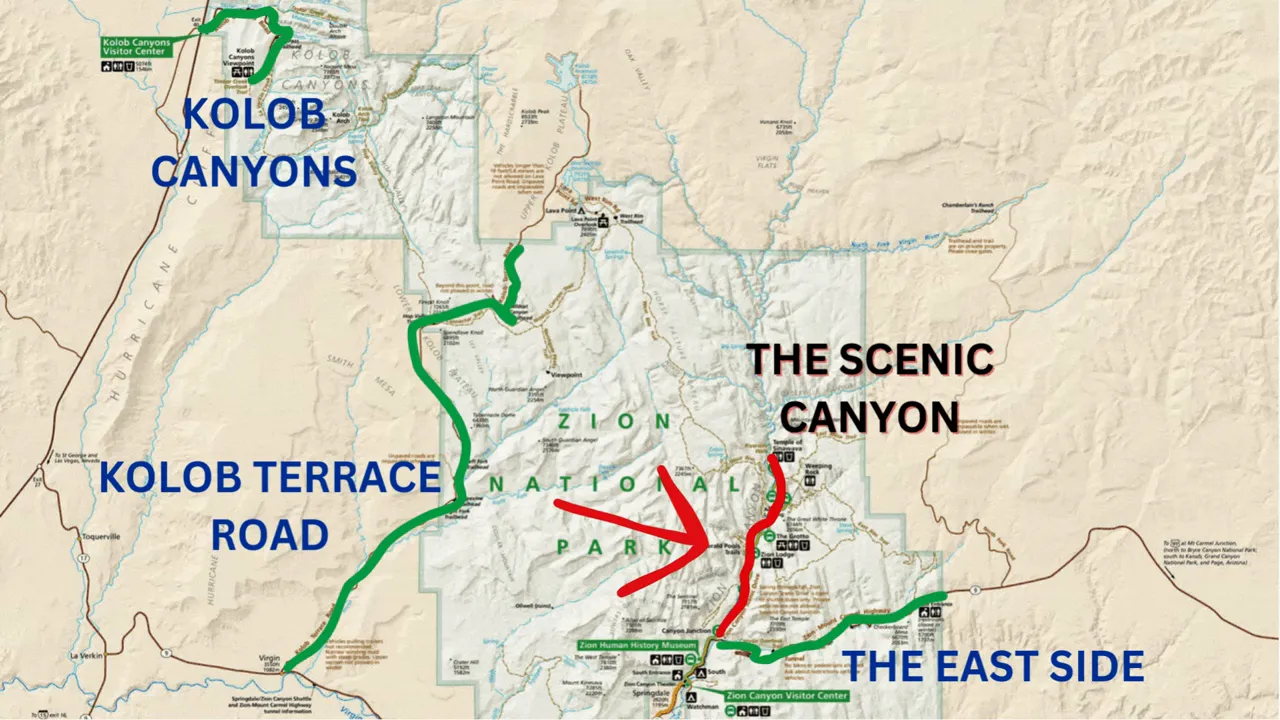
The heart of the park is a narrow corridor known as the scenic canyon. Personal vehicles are restricted on this road during most of the visitation season because parking is extremely limited and the canyon cannot safely absorb high traffic volumes. The restricted corridor contains the park’s most popular front-country hikes such as the Narrows, Angels Landing, and Emerald Pools, so transporting visitors by shuttle helps protect natural resources and reduces congestion on the road.
Two Shuttle Systems to Know
There are two distinct shuttle systems to understand before planning a trip: the town shuttle and the Zion Canyon shuttle. Both serve different roles and both matter when planning where to park and how to move around.
Town shuttle (Springdale)
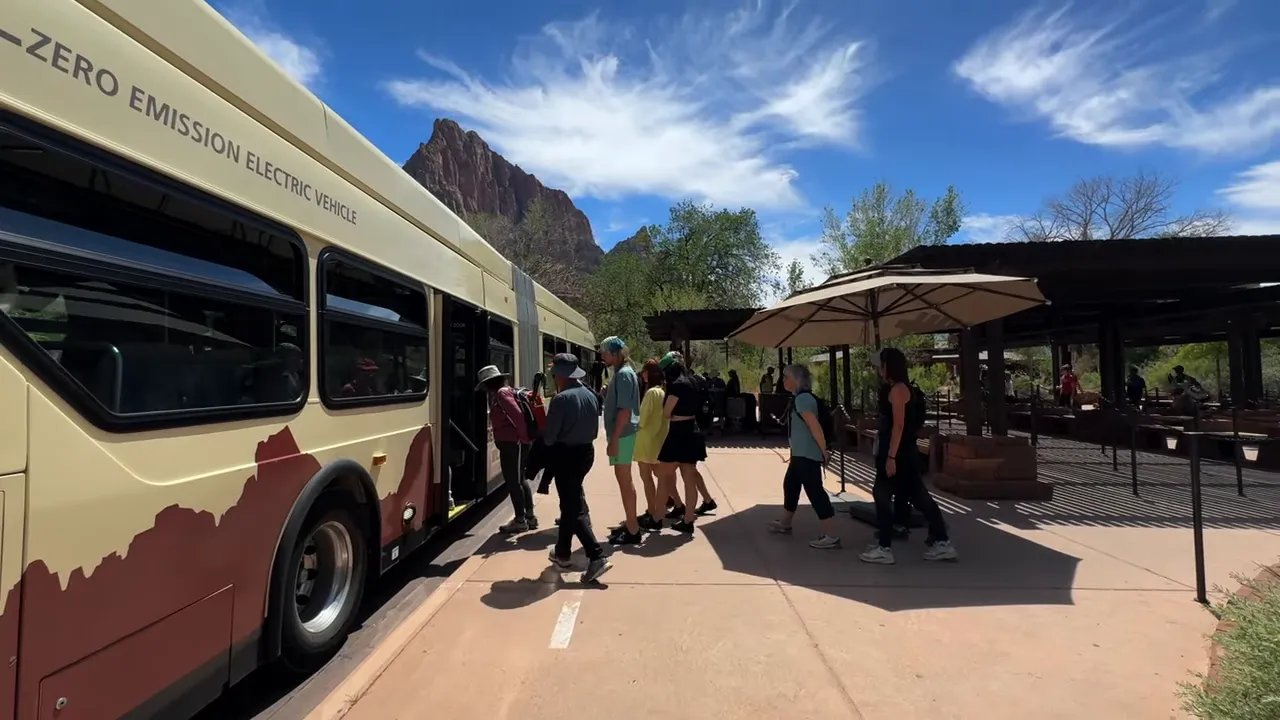
The town shuttle operates throughout Springdale, the little gateway town that sits at the park’s mouth. It provides a convenient way to reach the park entrance without searching for expensive or limited parking in Springdale. The town shuttle stops at multiple locations around town and terminates at the park entrance where riders must pass through the fee booth and proceed to the visitor center.
Zion Canyon shuttle
The Zion Canyon shuttle begins and ends at the Zion National Park Visitor Center parking lot. This service carries people up the scenic canyon, stopping at designated trailheads and pullouts. The shuttle schedule changes throughout the year, so checking the current schedule before arrival is essential.
Parking Tips and Local Hacks
Parking logistics influence whether the shuttle becomes a necessity. The visitor center has the primary parking lot for canyon shuttle riders and space for oversized vehicles. When that lot fills, Springdale’s on-street parking and small private lots become the overflow options—often costly and nearly full during peak hours.
Local tip: Hud O’Lee’s Market in Springdale (locally known as Hudoo’s Market) sometimes allows day parking for customers who spend a modest amount on supplies. Spending roughly twenty dollars at the market often permits parking in their lot for the day, which can be significantly cheaper than other town parking.
Another practical fact to remember is that the “Zion parking lot full” sign typically activates a few hours after sunrise and remains on all day. It is reliable: mid-morning through mid-afternoon arrivals should assume the visitor center lot is full and plan accordingly. Late afternoon arrivals often have better luck finding parking near the visitor center or in town.
Do They Have To Ride the Shuttle?
No. While the scenic canyon is mostly shuttle-only, Zion National Park contains other regions that are reachable by private vehicle. Several zones beyond scenic canyon have trailheads and quieter experiences that typically receive fewer crowds. Those who stay in nearby vacation rentals often appreciate being able to drive directly to less-visited trailheads and scenic viewpoints.
For a complete list of trails organized by park region, one reliable resource is Joe Braun’s trail descriptions (citrusmilo). Exploring the other regions by car can reveal hidden hikes and quieter views while helping visitors avoid the busiest corridors during peak times.
How to Experience the Scenic Canyon Without the Shuttle
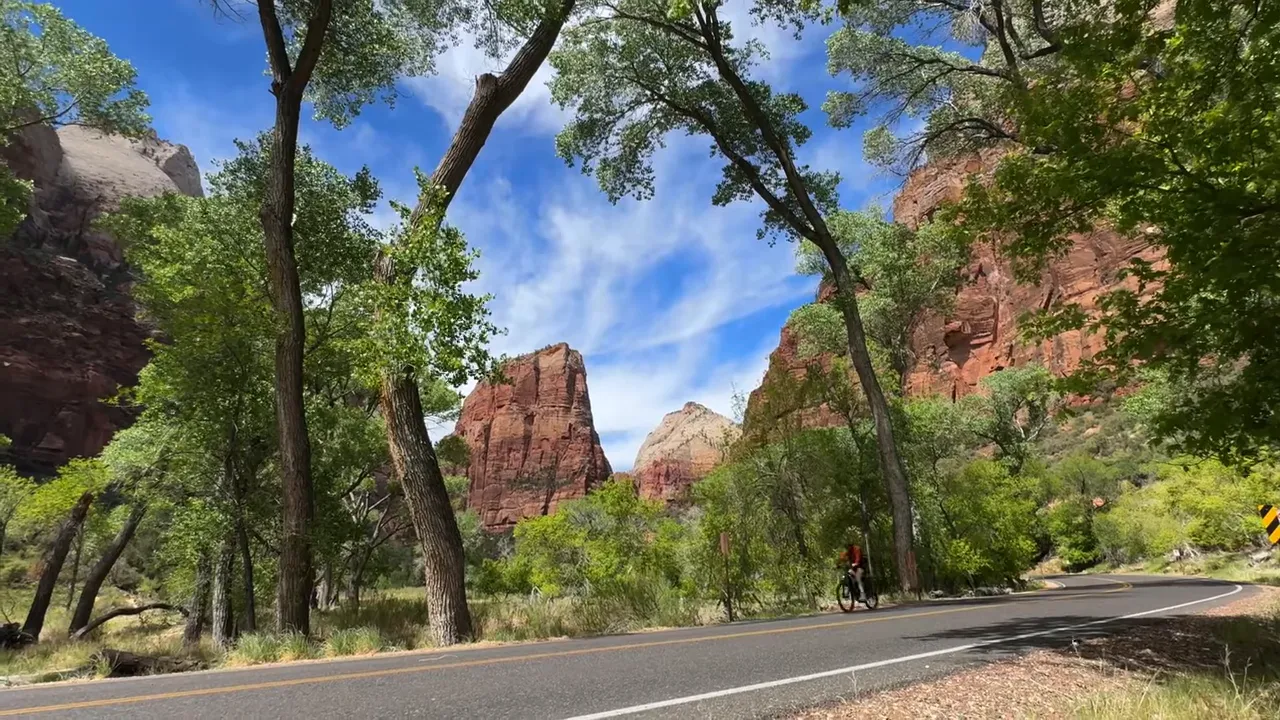
For many, the ideal solution is to bring or rent a bicycle or an e-bike. Biking the canyon provides several advantages over both cars and shuttles.
Freedom to stop: Cyclists can stop almost anywhere that is safe, which allows time for photography, quick side trips, or simply soaking in the canyon at will.
Reduced crowding: Riding an e-bike or bike avoids the packed shuttle buses and offers a more intimate connection with the landscape—smelling the air, hearing the quiet, and viewing the canyon walls without visual obstruction.
Extended hours: When shuttles stop running for the day, cyclists can still be on the road and return on their own timeline.
Low fitness barrier: Modern e-bikes assist pedaling, making canyon travel easy even for those who worry about fitness.
Many outfitters in Springdale rent bicycles and e-bikes. Renting locally eliminates the need to transport bikes from far away and connects guests with knowledgeable staff who can recommend routes and safety tips. One trusted local outfitter that many longtime guides recommend has a history of renting e-bikes and offering guided experiences in the area.
Sample Itineraries from a Vacation Rental Base
Guests staying in Southern Utah vacation rentals can pair day trips with a comfortable base. The following sample itineraries assume a stay in a centrally located rental near St. George or Springdale and emphasize practical logistics for shuttle use and avoidance.
Two-day family-friendly canyon getaway
Day 1 morning: Arrive early and park at the park visitor center if possible. If the lot is full, use the town shuttle from Springdale and ride the Zion Canyon shuttle to a favored trailhead such as Emerald Pools for a short family hike.
Day 1 afternoon: Return to town for an early dinner and pick up supplies. If staying in a rental with a full kitchen, dinner at the rental can be a relaxing option.
Day 2: Rent e-bikes in Springdale and cycle up the scenic canyon to explore quieter turnout points and take photos without shuttle constraints. Finish the day with a drive to a nearby sunset viewpoint or back to the vacation rental for stargazing.
Weekend for active couples
Day 1: Park in Springdale and take the town shuttle to the visitor center. Ride the canyon shuttle to the Angels Landing trailhead and plan a moderate to challenging hike based on fitness and permit requirements. Return to a rental with a hot tub for an evening unwind.
Day 2: Drive to a different park zone accessible by private vehicle for a quieter day of exploration—Kolob Canyons or the eastern park approaches can provide solitude and striking vistas.
When to Drive Instead of Riding the Shuttle
Travelers who prefer solitude or whose itinerary includes other park regions should plan to drive. The shuttle does not cover most of the park outside the scenic canyon, so reaching backcountry trailheads and panoramic overlooks in other zones requires personal vehicles.
Private vehicles are ideal for:
Reaching trailheads in outlying park regions where the shuttle does not operate
Creating flexible day plans that include multiple distinct sites
Visiting at times outside regular shuttle hours
Safety and Practical Considerations
Weather and trail conditions change seasonally. Angels Landing and the Narrows have specific rules, permit requirements, and seasonal considerations. When planning a stay from a vacation rental, it helps to verify current trail status and permit rules before heading out. Park rangers and visitor center staff provide up-to-date information on closures and hazards.
Parking availability and shuttle schedules also shift by season. Checking the Zion Canyon Shuttle System page maintained by the National Park Service provides the most current ride windows and shuttle stops. Planning arrivals during the first two hours after sunrise vastly improves the odds of parking at the visitor center. Later in the day, expect to rely on the town shuttle or paid parking options.
How Vacation Rentals Enhance the Zion Experience
Choosing a vacation rental with a full kitchen and outdoor space can vastly improve a Zion getaway. Guests can arrive late, cook a relaxed dinner, and plan early morning departures for prime parking times. Many properties offer concierge-style support to suggest safe routes, recommend less-crowded trailheads, or arrange local rentals for bikes and e-bikes.
Main site for exploring Southern Utah rental options and local insights: https://staycopperrock.com
Recommended local resources to learn more about Zion and nearby attractions:
What to know to ride the Zion Canyon shuttles: https://staycopperrock.com/what-to-know-to-ride-the-zion-canyon-shuttles/
Top vacation rentals near Zion National Park: https://staycopperrock.com/top-favorite-vacation-rentals-near-zion-national-park/
Top things to do in Zion: https://staycopperrock.com/exploring-zion-national-park-top-must-do-activities/
Seasonal Timing and Crowd Management
Spring through fall is peak visitation. During those months, early mornings or later afternoons will be easier for parking at the visitor center. Mid-morning through early afternoon tends to be busiest. Winter months see lighter crowds and, at times, different shuttle operations. Cyclists who prefer solitude will find quieter roads at dawn and dusk. E-bikes are an excellent option for extending travel time into periods after shuttle service has ended.
Suggested Packing for Shuttle and Bike Days
Reusable water bottles and a reliable filtration method for longer hikes
Layered clothing for desert-to-canyon temperature swings
Helmet and safety gear for cyclists
Lightweight rain jacket for unexpected storms
Permits or copies of reservations for restricted hikes
Local Guides and Photography Tours
For groups or families seeking a deeper experience, guided photography or family tours provide curated access, timing, and local knowledge. Guides can help plan early starts for prime lighting, identify quieter trail options, and teach safety in the canyon environment.
Is the scenic canyon open to personal vehicles?
No. The scenic canyon is restricted to the Zion Canyon shuttle buses and vehicles associated with Zion Lodge during most of the visitation season. Personal vehicles cannot drive up the scenic canyon road when shuttle service is in effect.
Where does the shuttle start and end?
The Zion Canyon shuttle starts and terminates at the Zion National Park Visitor Center. Visitor center parking is the main hub for shuttle riders; when that lot fills, parking in Springdale becomes necessary.
Can they avoid the shuttle entirely?
Yes. They can avoid the shuttle by: driving to other park regions that accept personal vehicles; biking or renting an e-bike to travel the scenic canyon; or timing arrival outside peak hours to find visitor center parking. Each option offers different trade-offs in terms of access and convenience.
What is the best way to experience the canyon without crowds?
Renting or bringing an e-bike provides the most flexible and quiet experience. E-bikes allow riders to stop wherever safe, travel after shuttles stop running for the day, and enjoy the canyon without the crowds and constraints of shuttle schedules.
Are there shuttle schedules available online?
Yes. The National Park Service maintains an updated Zion Canyon Shuttle System schedule online. Checking it before arrival ensures alignment with seasonal operation windows and listed stops.
Where to find affordable parking in Springdale?
Springdale offers several small parking lots and on-street options that can be costly during peak season. A common local tip is to purchase a modest amount of supplies at Hudoo’s Market (Hudoo’s) to use their lot for the day. This can be cheaper than other town parking on busy days.
Final Notes for Vacation Rental Guests
Staying in a Southern Utah vacation rental can transform a visit to Zion from a rushed day trip into a relaxed adventure. Choosing the right base—close to Springdale or St. George—makes early starts possible and after-hours returns comfortable. Rentals with full kitchens, outdoor patios, and local concierge services increase flexibility, reduce costs, and allow time to discover quieter park regions by car or to rent e-bikes for a more immersive canyon experience.
For more in-depth local rental options and seasonal suggestions, consult the Stay Copper Rock site: https://staycopperrock.com
Southern Utah rewards travelers with a mix of iconic canyon views and quieter, lesser-known backcountry experiences. A weekend based near Zion National... Read More
Zion or Bryce? The Ultimate Utah National Parks Comparison
Which park fits the trip: soaring canyons or quiet hoodoos Southern Utah contains landscapes that look like two different planets stitched together.... Read More
Where to Stay in Moab: Top 10 Must-See Places Outside the Parks
Southern Utah’s red rock country stretches farther than the well-known entrances to national parks. Moab is a compact adventure hub whose scenic... Read More

 by
by 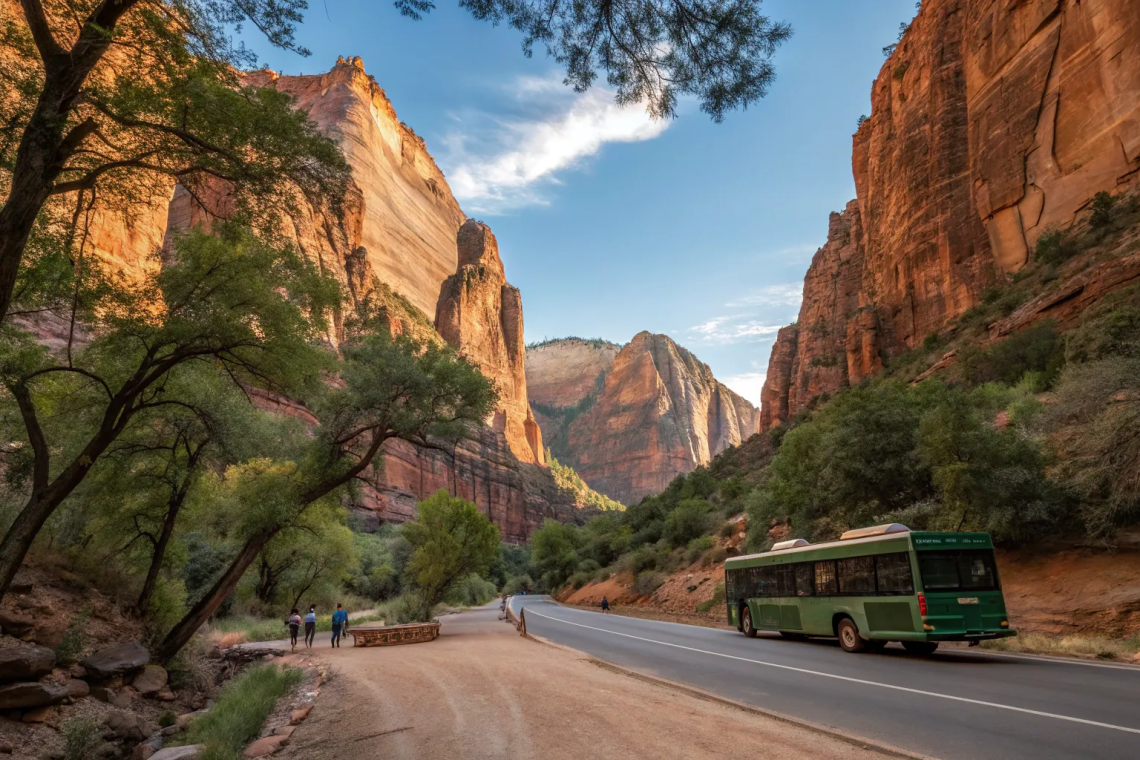

Join The Discussion